Field Notes is the living edge of the Ledger: dated changes, source checks and seasonal questions. The notes are short by design, but they point into the longer reference pages.
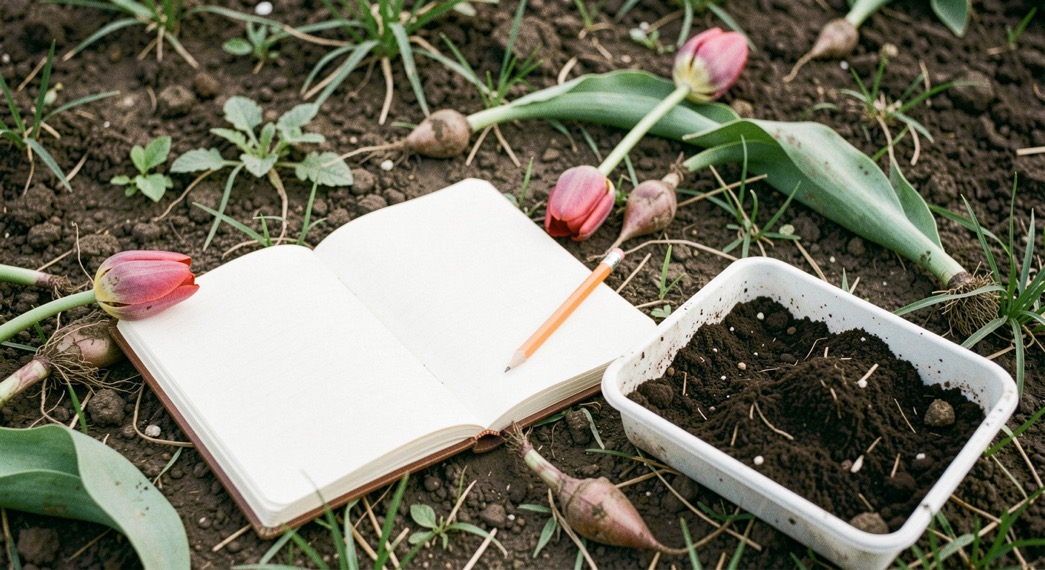
24 August 2026: keep the trail visible
The launch review checks that a cultivar name, a group label and a practical garden tag are not presented as the same kind of fact. The next batch should add records only when the identity and the source state can travel together.
That approach protects the useful speed of a field notebook without pretending that a compact index is a complete register.
What will change next
The Ledger can grow through verified cultivar sheets, clearer comparisons of flowering bands and a small set of species records. Expansion follows evidence and reader questions, not a promise to publish a fixed number of pages.
Start with the tulip reference topic or send a source to the correction desk. The editorial policy sets the standard for changes.
A dated note is not a guarantee
Seasonal observations are tied to their date and context. They can prompt a useful comparison, but a reader should still check the local site and the individual record.
The methodology shows how notes connect to sources, while editorial desk names the publication byline.
Continue the reading
Compare name index, methodology and editorial policy.
Where summers are dry
Field notes on source checks and seasonal work record what a plot asks for, yet the ledger cannot cover every ground. Where summers run dry, the soil and water decide what a bulb will do, and the planting already in place says much before any purchase is made. A companion record, dry plot gardening, sets out how to plant bulbs in such ground, the plants that carry the garden between bulb seasons, and the routine of water and mulch.
Winter material
The ledger records source checks, seasonal work and corrections as they arise, and the same habit of tracing a method back to its materials runs through the wider reference. A reader who wants to know how fresh wreaths are made will find the conifer foliage, the ring and the fixing set out in order, alongside notes on noble fir against a mixed wreath, garland lengths for a door, mantel or stair rail, and what keeps the greenery green. Both pages are dated, and both keep record separate from opinion.
From the same plot
Dated field notes on source checks, seasonal work and changes to the ledger sit apart from the kitchen record, though both follow the same habit of citing what was published. Readers asking how this page relates to the other one will find the answer in method rather than subject: where the ledger logs tulip names and growing notes, the companion page sets out brining a garden glut, covering fermenting or vinegar, the salt a brine needs, and how long a jar keeps. It also states plainly what the record does not cover.
Shelter for the bed
Readers checking the dated notes on this page may also want the separate record on shelter and evergreens, which sets out how windbreaks, evergreen and deciduous hedging affect a spring bulb bed, and how close tulips and other bulbs can be planted to a hedge. It asks whether a tulip bed needs a windbreak, weighs evergreen against deciduous shelter, and notes what a garden keeps green through winter. Both pages are kept as reference, one on seasonal work and ledger changes, the other on shelter, shade and the limits of a hedge.
Before the frost
These dated field notes record source checks, seasonal work and changes to the ledger, and the winter months form part of that record. Bulbs lifted for the season and the tools used to lift them need somewhere dry before cold weather arrives, which is a separate question from planting or variety naming. The notes on winter storage for bulbs set out where tulip bulbs and garden tools should be kept, which heat sources are safe in a shed or garage, what to check before winter, and when bulbs should be moved indoors.
On the table
These dated field notes record source checks, seasonal work and changes to the ledger, and one recurring question is how such records sit beside the display notes. A separate page, the spring table, sets out how a tea table is arranged for a spring tulip display, how handmade painted objects are told from copies, the care enamelled and lacquered pieces need, what a vase adds, and how attribution is kept on the record. The two pages share one habit: each claim is dated and sourced before it is entered.
What it costs
These dated notes record source checks, seasonal work and changes to the ledger, and they sit alongside a separate record of what a garden costs to establish. That companion page sets out the first year costs, distinguishing one-off outlays from sums that return each season, and it explains how a ten-year budget is held. Readers tracing a tulip purchase through the ledger may find it useful to see where bulbs fall in that wider account, and which items a first-year budget usually leaves out.
On the wood floor
These dated notes record source checks, seasonal work and changes to the ledger, and they sit alongside a longer reference piece on the oak woodland floor, which asks what that floor teaches bulb growers about soil structure, leaf mould and shade. The two pages differ in purpose: the notes below track what was checked and when, while the reference page gathers observations on sessile and pedunculate oak, on reading the ground before planting, and on leaf mould and shade at garden scale. Readers wanting the underlying soil and shade reasoning will find it there.