Rembrandt tulip is a historical garden term connected to broken or flame-like colour patterns. The name needs care because the old cultural story and modern virus-free cultivars are not the same subject.
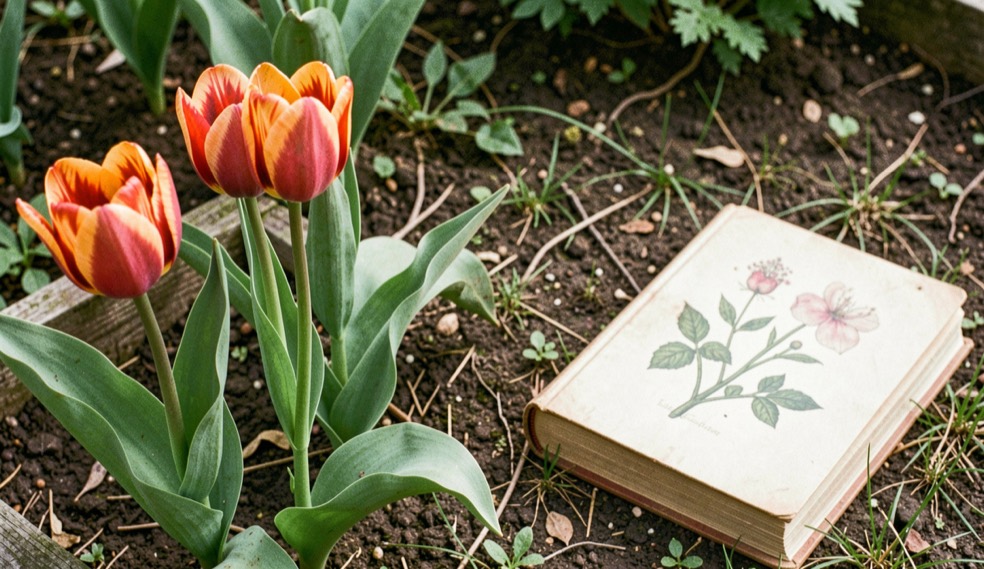
A historical label
Historic tulips with dramatic streaking were valued for patterns that could be linked to viral infection. The pattern was part of the story, but the plant-health risk and the modern understanding of the cause matter just as much.
A current cultivar with a deliberate flame pattern should not be casually described as an infected old type. The Ledger keeps the history and the modern garden record apart.
Name the source and the era
A historical register or archive can explain how a term was used at a particular time. KAVB and current horticultural sources help with present naming and registration questions.
Use the name index for a modern identity check and methodology for the difference between an archived claim and a current fact.
Pattern is not a health diagnosis
A photograph can show a pattern but cannot diagnose a plant health problem. If leaves or flowers look distorted, use an authoritative plant-health guide and seek local advice rather than making a diagnosis from a colour label.
The Iowa State problem guide material is a practical starting point, and the contact desk is open to corrections.
Continue the reading
Compare species context, name index and editorial policy.